
How Long Does an Epoxy Garage Floor Take to Cure?
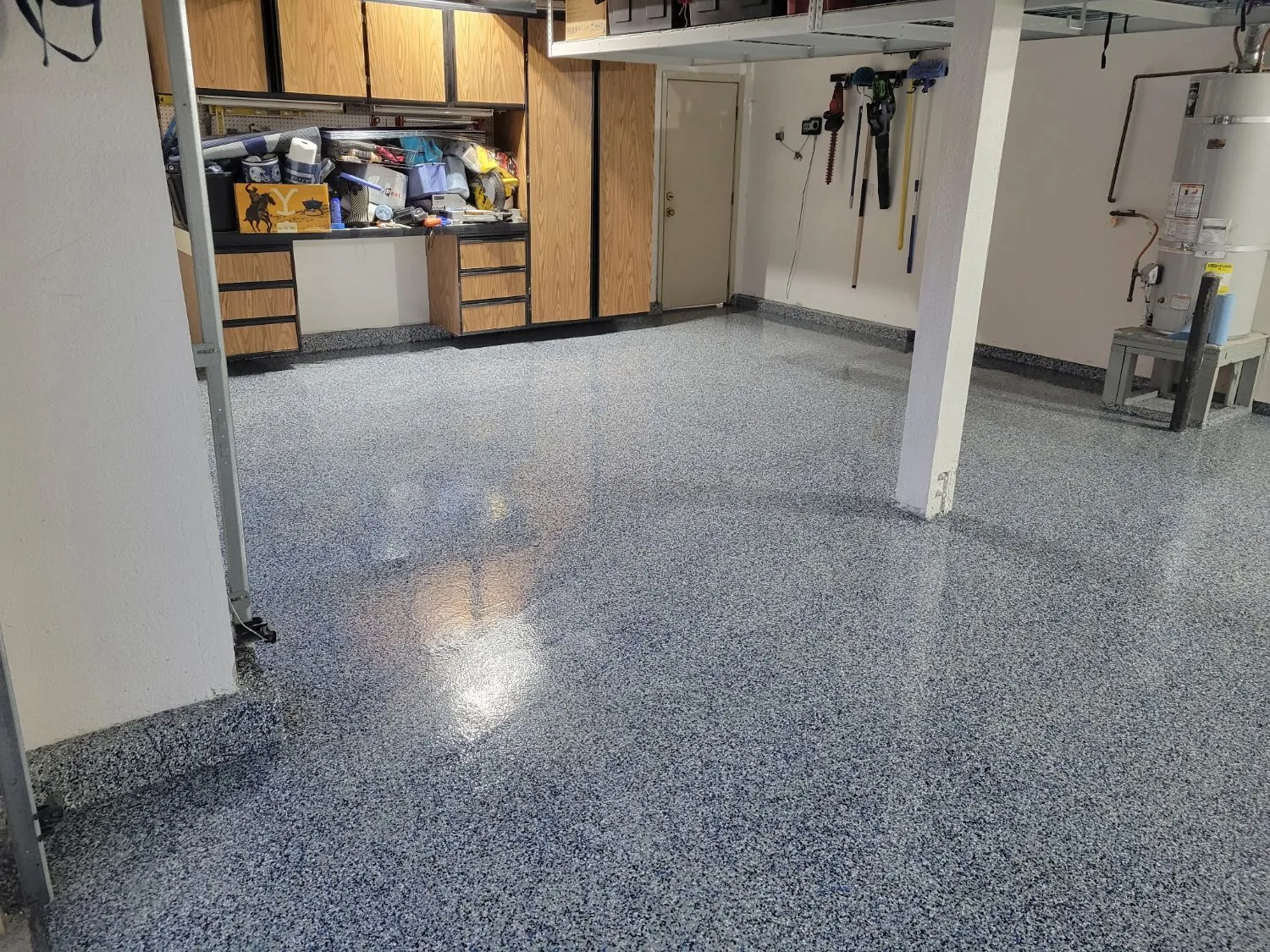
Most epoxy garage floors can be walked on after about 24 hours, driven on after 3 to 5 days, and reach full chemical cure at around 7 days. Those numbers shift depending on the coating system, the temperature in your garage, and how much humidity is in the air while it’s curing.
Curing isn’t a single moment where the floor switches from wet to done. It happens in stages, and knowing which stage you’re in matters if you’re planning around it, especially if the garage is your only place to park.
The Cure Timeline, Stage by Stage
Walk On
~24 hours
Light Furniture Back In
2–3 days
Drive or Park a Vehicle
3–5 days
Full Chemical Cure
~7 days
Full chemical cure is the point where the coating reaches its maximum hardness and chemical resistance, meaning it can handle a dropped tool, a hot tire, or spilled oil without marking. You can use the floor well before then, but treat it gently for that first week.
What Actually Slows Curing Down
- Cold temperatures. Epoxy cures through a chemical reaction, and that reaction slows down significantly below about 55°F. A garage floor coated on a cold winter morning can take noticeably longer to reach each stage than one done in summer.
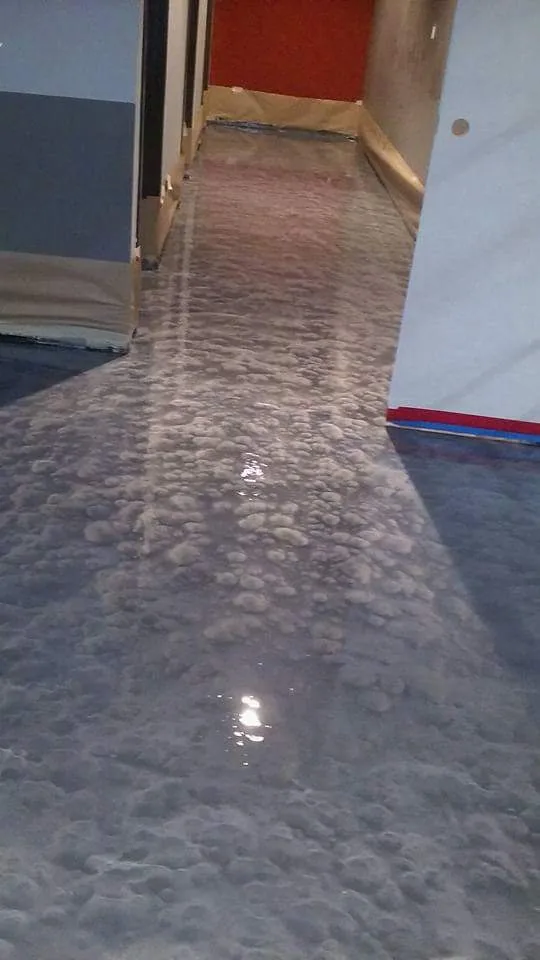
- High humidity. Moisture in the air can interfere with how the coating sets, which is one reason a professional installer checks conditions before starting rather than just picking a random day.
- Coating type. Traditional epoxy and polyaspartic coatings cure at different speeds. Polyaspartic systems can often handle foot traffic the same day and vehicle traffic within 24 to 48 hours, though they cost more than standard epoxy.
- Number of coats. A multi-coat system (primer, base color, flake broadcast, clear topcoat) needs each layer to set before the next goes on, which adds time to the overall project even though each individual layer cures fairly fast.
Why Vacaville’s Climate Usually Works in Your Favor
Epoxy cures best in moderate, dry conditions, and Vacaville gets that combination for most of the year. The exceptions are the coldest winter mornings and the most humid stretches, when a professional installer will plan the schedule around the weather rather than coating on a day that will just slow everything down. That’s part of why timing an epoxy project with an experienced crew matters more than most homeowners expect.
What to Avoid During the Cure Window
- 1Don’t drag heavy items across the floor for at least the first few days, even after it feels solid underfoot. Dragging can scuff a surface that hasn’t fully hardened yet.
- 2Don’t park a hot vehicle on it too soon. Tires that have been driving on hot pavement can leave marks on a floor that hasn’t reached full chemical cure.
- 3Don’t wash the floor with harsh chemicals during the first week. Plain water is fine if it needs a quick clean before it’s fully cured.
Frequently Asked Questions
Can I speed up epoxy curing?
Warmer, drier conditions naturally speed up the chemical reaction, which is why professional installers pay attention to weather when scheduling a job. Fans or space heaters can help in cooler weather, but check with your installer before trying that yourself, since too much heat too fast can cause its own problems.
Is polyaspartic coating better than epoxy?
It cures faster and holds up well to UV exposure, which makes it a good option if you need the garage back quickly or if the space gets direct sunlight. Standard epoxy is usually more budget friendly and still holds up great for most residential garages.
What happens if I drive on it too early?
Tire marks, indentations, or a dull, scuffed appearance where the tires sat. The coating usually still functions, but it won’t look as clean, and this can be one reason we walk you through the exact timeline before we start your project.
Get Your Epoxy Timeline
We’ll walk you through exactly how long your garage will be out of use, based on your space and the system you choose.
Get a Free Estimate